
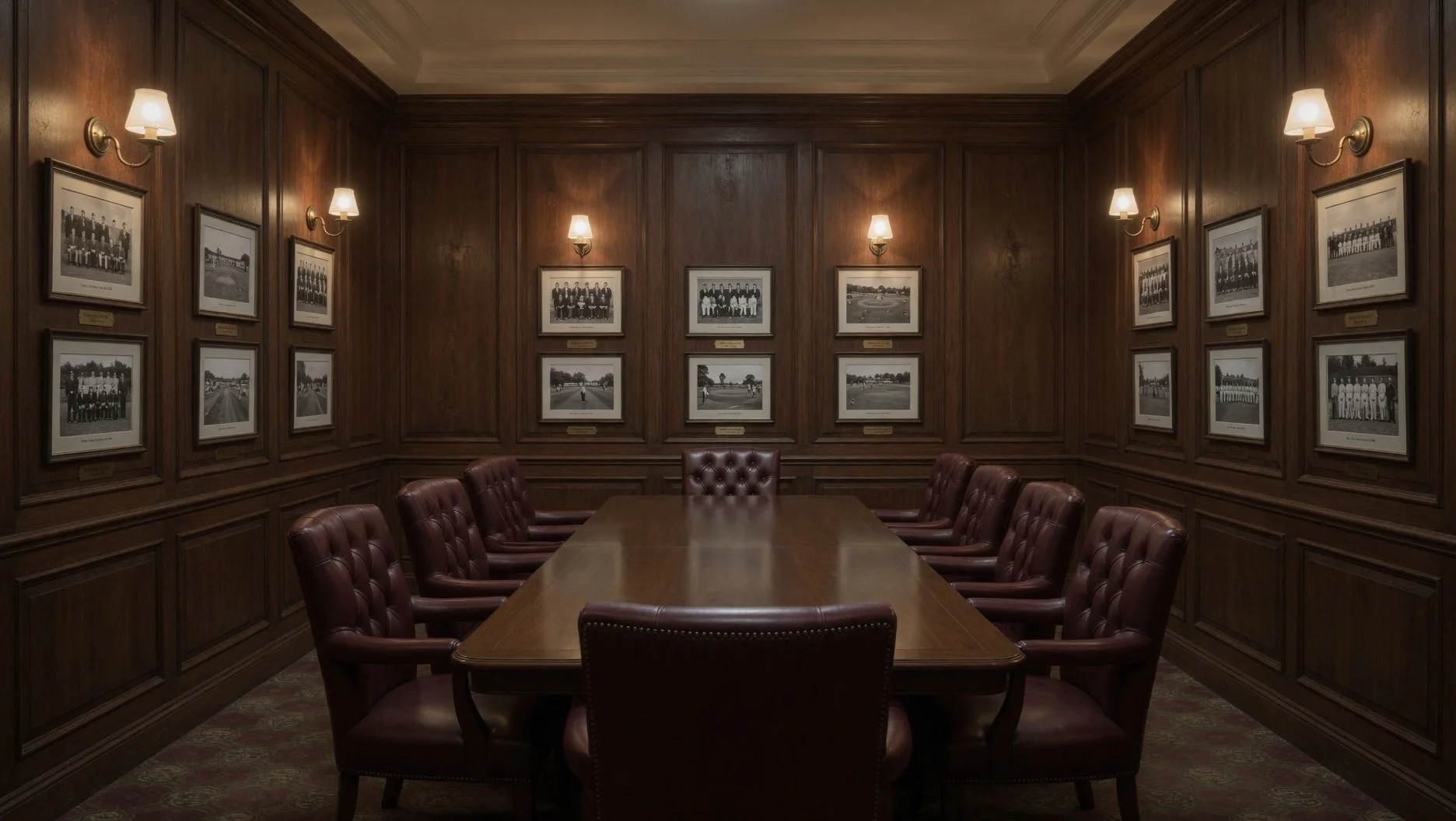
Modernizing a Member-Owned Club
A case study in bringing club identity, digital presence, and member communication into clearer alignment.
The Assignment
This work grew out of my direct involvement with a member-owned golf club, including volunteer work and board service with responsibility for marketing and strategic communications. The focus was practical: clarify how the club presented itself, rebuild its website, and develop member-facing communications that better reflected the place and the people it served.
The club did not need an invented identity. It needed a more deliberate expression of the identity already there. Its golf course, community, and member-owned character provided the starting point. The work brought those qualities into the language and digital materials through which members and prospective visitors encountered the club.
The Starting Conditions
The existing website was dated, and the club’s limited digital presence did not adequately represent its golf experience or community. Improving that presence required more than a visual refresh. It required decisions about what the club should communicate, which audiences it needed to reach, and how its different activities belonged within a coherent story.
As a member-owned club that also welcomed public play, it needed to communicate with both members and visiting golfers. Those audiences had different reasons for engaging with the club, but they should not encounter conflicting impressions of what the place was. The challenge was to make that distinction clear while preserving a recognizable identity across the website and member communications.
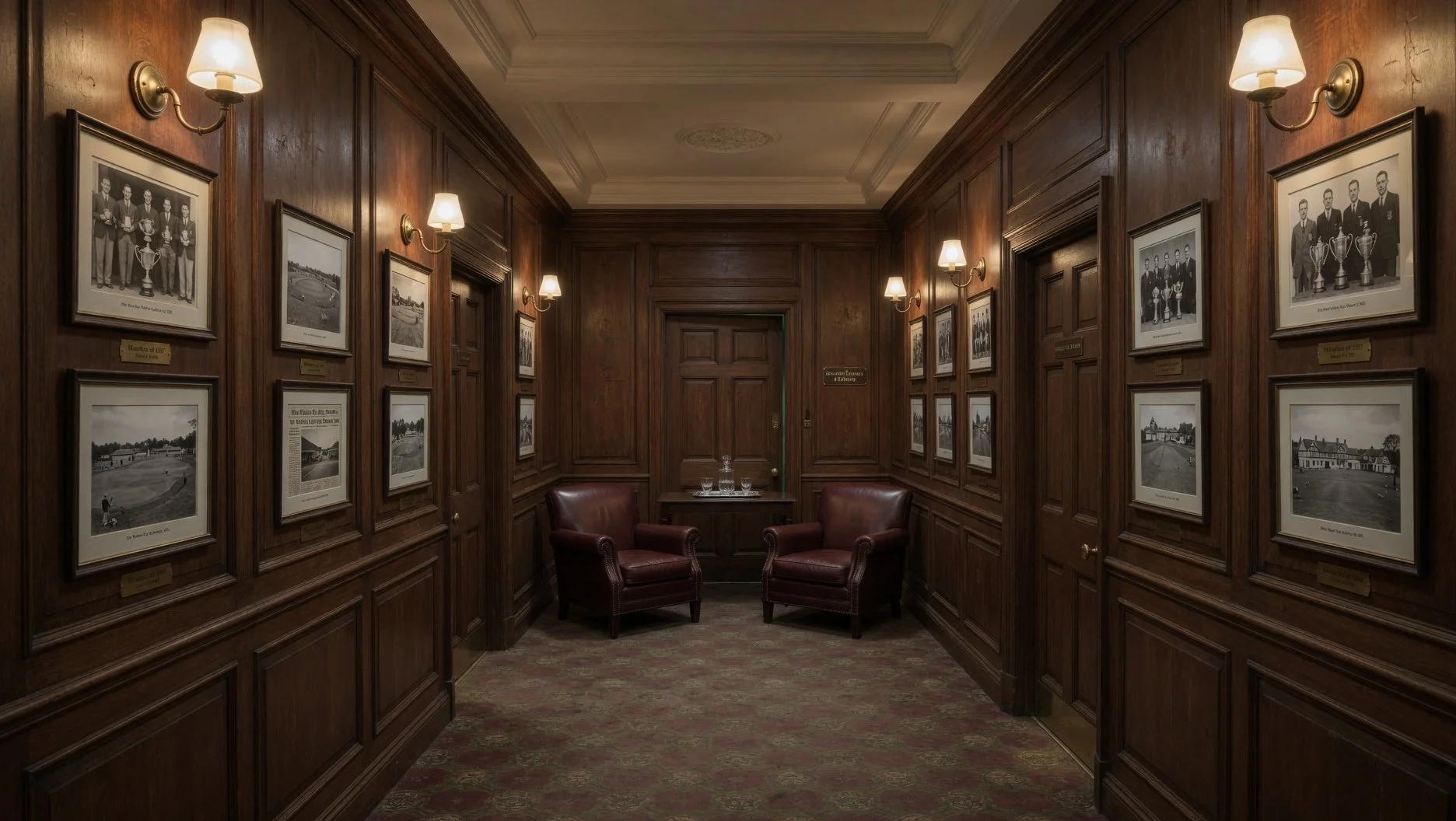
Preserving Community Amid Change
What the Work Produced
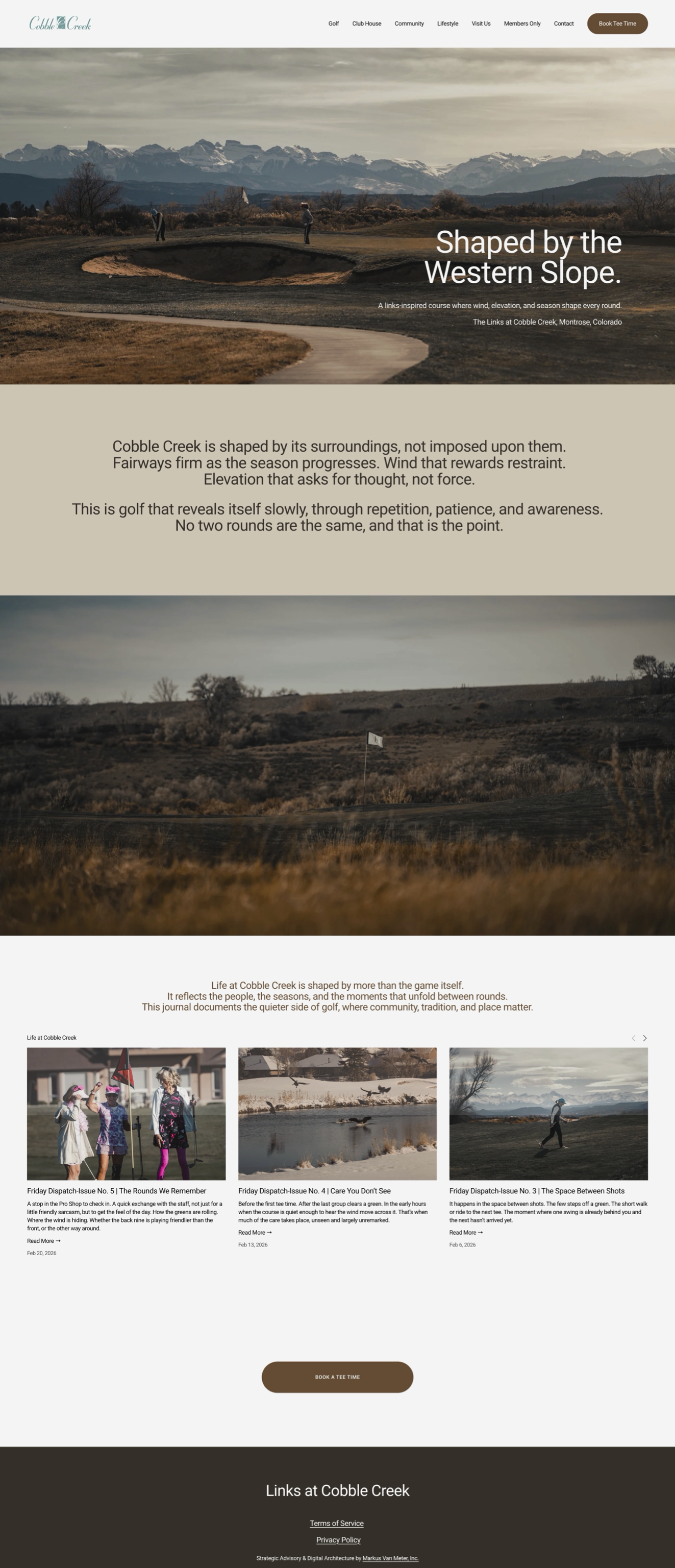
The work combined website redevelopment, brand positioning, and member-facing editorial communications. The club’s inland-links character provided a more distinctive basis for its story, while the rebuilt website gave that story a contemporary digital home. Member newsletters extended the work into the club’s ongoing communications.
These were connected parts of the same assignment. The website was not treated as a separate design exercise, and the communications were not simply a succession of announcements. The aim was to establish a recognizable relationship between the club’s identity, its public presentation, and the information shared with its community.
The Principles Behind the Work
The work reinforced four principles that continue to shape how I approach modernization. They are simple, but they help keep individual projects connected to the larger institution and prevent change from becoming disconnected from the character it is meant to support.
Observe
Understand the place before recommending change. The club’s ownership model, golf experience, community, existing communications, and traditions all shaped the work. The starting point was not what another club was doing, but what already made this one distinctive.
Organize
Bring identity, audiences, and communication priorities into a clearer relationship. The website, member communications, and public-facing materials needed to serve different purposes without presenting different versions of the club.
Align
Make the club’s language, imagery, website, and member communications reinforce one another. Each asset had a different job, but together they needed to express a recognizable understanding of the institution.
Steward
Build the work so it can continue after the initial project is complete. A website, communication system, or brand direction only has lasting value when responsibility for maintaining it is clear and the underlying reasoning is understood.
Thoughtful modernization begins with understanding what is worth preserving, then improving the systems and communications that help carry it forward.