
Paper 15: The Value We Don't Measure
A proposal currently under consideration in Los Angeles seeks to impose a substantial new tax on several private golf clubs. The outcome will ultimately be determined by voters and policymakers. Fiscal details, economic projections, and political arguments will be thoroughly debated by stakeholders.
This series examines a more fundamental institutional question:
How can the value of an institution be measured?
Contemporary governance and public policy are adept at quantifying tangible factors such as tax revenue, property assessments, direct economic impact, and development potential. These metrics serve as legitimate tools that inform decision-making and shape budgets and priorities.
However, the most enduring contributions of private institutions frequently defy straightforward quantification.
Open space does not appear as a line item.
Community cannot be captured in quarterly reports.
Stewardship generates no immediate ROI.
Due to the difficulty of quantifying these realities, their value is often underestimated in public discourse.
Discussions regarding golf courses frequently focus solely on the game itself. Recreation, tradition, competition, and enjoyment are genuine benefits, yet they do not encompass the complete argument for institutional value.
A more compelling argument centers on stewardship.
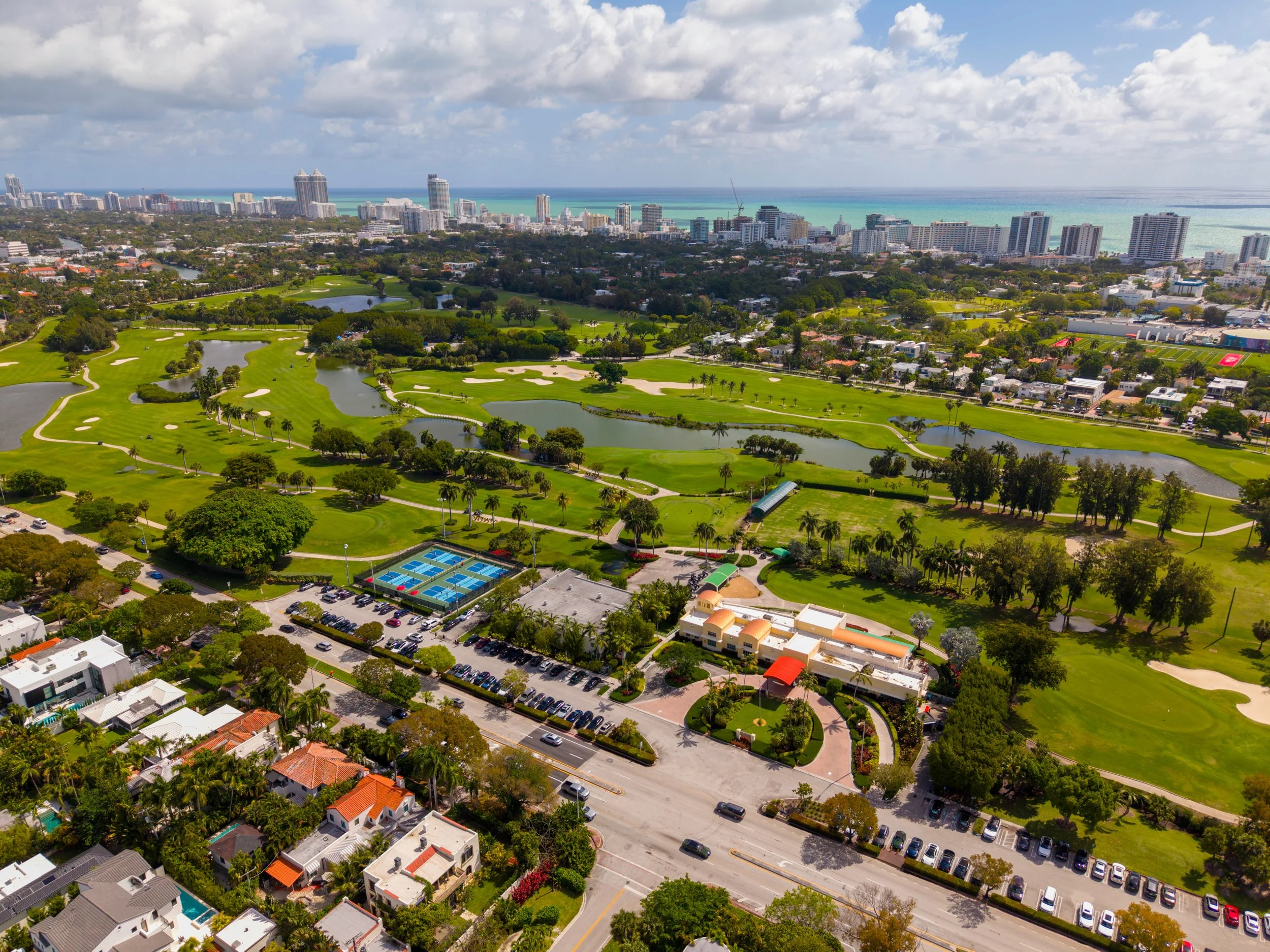
Throughout the United States, private golf clubs preserve thousands of acres of open space that would otherwise be subject to development pressures. These properties serve as green infrastructure by absorbing stormwater, supporting biodiversity, maintaining viewsheds, and providing essential breathing room within increasingly dense communities. Their contribution is frequently characterized by what they prevent: additional subdivisions, parking lots, or continuous stretches of pavement.
The significance of this value often becomes evident only after open space has been lost.
A similar principle applies to the social architecture sustained by clubs. Although frequently perceived as exclusive, member-owned clubs operate as intentional communities. These environments foster intergenerational relationships, facilitate connections for new residents, provide spaces for families to gather, and actively maintain shared traditions. Boards and committees undertake the complex task of long-term stewardship, while members contribute time, perspective, and resources to collective governance.
These interactions generate social capital, which is among the most scarce and consequential assets within any community. While facilities are important, the relationships they facilitate are of greater significance.
Amid rising isolation and digital fragmentation, the structured, in-person rhythm of club life provides benefits that cannot be replicated online: sustained human connection, shared ritual, and institutional continuity. This dimension of value is subtle, cumulative, and structurally significant.
Health outcomes exhibit a comparable pattern. Contemporary clubs increasingly serve women, families, retirees, and newer golfers who play the game for wellness and outdoor activity. A round of golf involves hours of walking, conversation, and immersion in natural surroundings, offering benefits that extend beyond recreation and promote physical vitality and mental resilience. These contributions are genuine, even if they do not align neatly with conventional economic models.
These considerations do not imply that private clubs should be exempt from legitimate public discourse. Communities must address questions of land use, taxation, equity, and growth. Such discussions are essential, but they should begin with a comprehensive understanding of institutional value, including both measurable outputs and the less visible forms of stewardship that sustain community health over time.
A familiar irony persists: the most valuable institutional contributions are often those most readily taken for granted. Their significance typically becomes apparent only when they are threatened.
This discussion extends beyond golf courses in Los Angeles. It represents a broader conversation about what communities choose to preserve and what may be lost when stewardship is assessed solely by the most easily measured metrics.
Enduring institutions derive strength from what they discreetly protect and sustain. Once the architecture of continuity is compromised, restoration becomes significantly more challenging than recognizing its value initially.
Markus Van Meter
Club Papers: Reflections on Stewardship, Governance, and Institutional Continuity