
Paper 04:The Digital Front Door of a Private Club
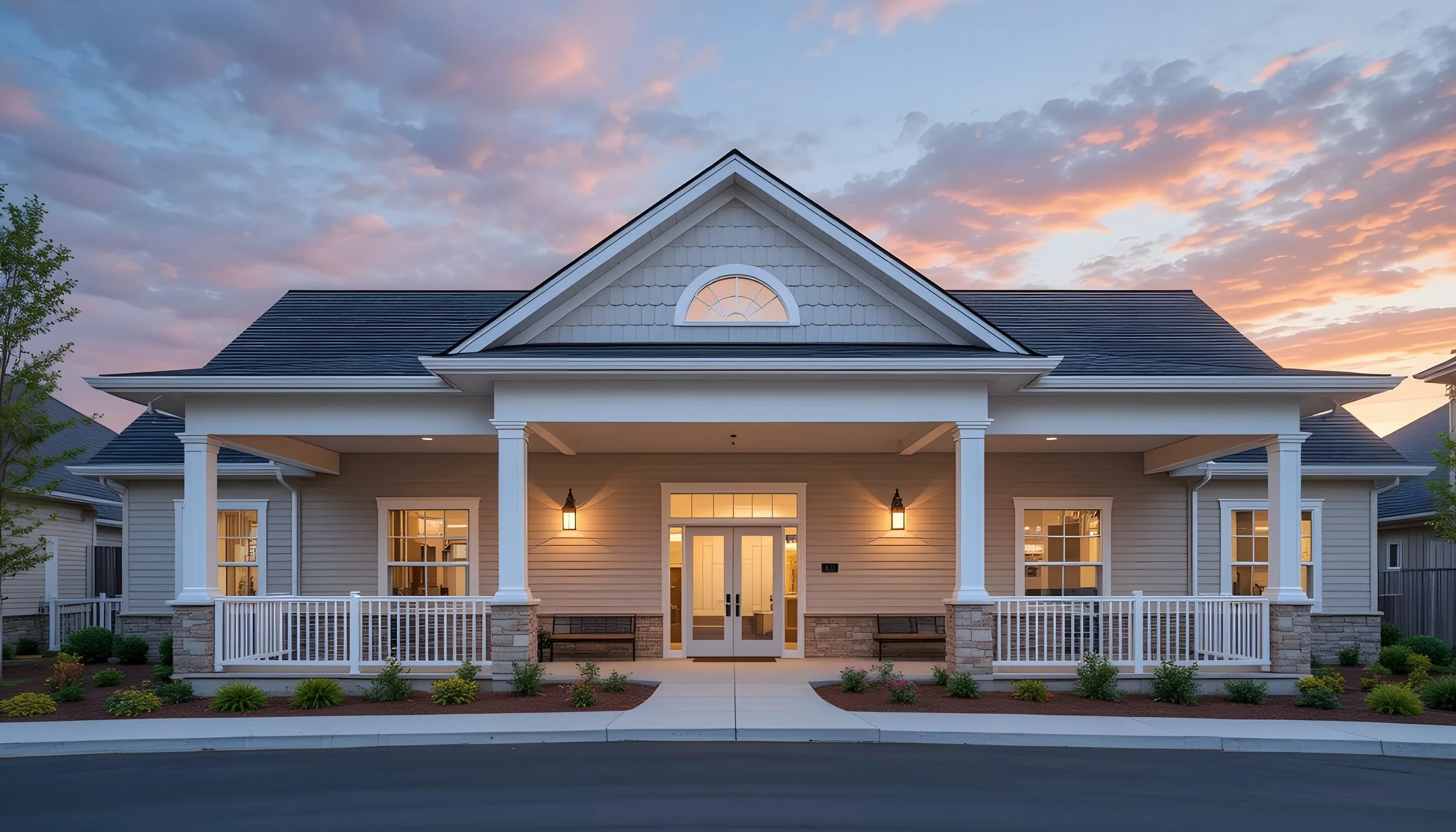
Private golf clubs have always been defined by place. The course, clubhouse, and surrounding community shape the membership experience.
Today, however, most interactions with a club begin online.
For many, the website is now the club’s entrance.
For prospective members, the first impression is the website, not the entrance road. For current members, it now serves as the primary platform for events, announcements, and operational updates.
In other words, the website has quietly become the institution's digital front door.
Yet many clubs still treat it as a brochure.
The Brochure Website Problem
Many private club websites primarily serve as marketing collateral, featuring photos, amenities, and aspirational language to promote the club’s lifestyle.
This approach is understandable. Clubs want to showcase the quality of their course, the beauty of their property, and the character of their membership experience.
The problem arises when promotion becomes the site’s main function.
Members need reliable communication, not a brochure. Prospective members want clarity, not just imagery.
Websites built mainly for promotion often fail in their vital role as the club’s institutional communication infrastructure.
Member Communication Architecture
Within a private club, information flows through multiple channels: email, event calendars, board updates, committee notices, and operational changes, all requiring consistent delivery.
When the website functions properly, it becomes the central reference point for this information.
Members know where to find event details and club updates, keeping information accessible and out of old emails.
Without this structure, communication becomes fragmented.
Announcements circulate through email chains, information is repeated across multiple platforms, and members are often uncertain where the most current details reside. Staff must repeatedly respond to questions that a well-organized digital system would otherwise answer.
Over time, this fragmentation creates friction that most clubs never formally address.
Prospective Member Perception
The website also shapes how prospective members interpret the club.
Unlike marketing campaigns or advertisements, a website communicates identity through structure as much as imagery. The clarity of information, the tone of messaging, and the organization of content all signal how the club thinks about itself.
A well-structured site shows confidence. It signals an institution that clearly knows and shares its identity.
An inconsistent or outdated site suggests the opposite.
For those considering multiple clubs, these signals matter more than many boards realize.
Digital Infrastructure and Governance
The website is more than a communication tool; it’s part of the club’s operational infrastructure.
The clubhouse supports social activity, the course supports the game, and the website supports information flow within the club.
This is why digital infrastructure must align with the governance structure.
Leadership updates, committee information, and member resources should be organized to reflect the club’s true operations. When digital systems match structure, communication is clearer and more durable.
If not, information spreads across disconnected platforms.
Closing Reflection
Private clubs devote significant attention to the physical presentation of their properties. The entrance drive, the clubhouse architecture, and the course itself are carefully maintained because they represent the institution. The digital front door deserves similar consideration—clubs should regularly evaluate their websites for clarity, up-to-date information, and ease of use for both current and prospective members. Assign responsibility for ongoing updates and ensure member communication tools are integrated and easy to find.ion.
In an era when most first impressions occur online, and most communication flows through digital systems, the website is no longer an accessory to the club’s operation. It is part of the institution itself. To remain effective, treat the website as a core part of club operations by budgeting for maintenance, training staff in digital tools, and seeking member feedback on digital communication.