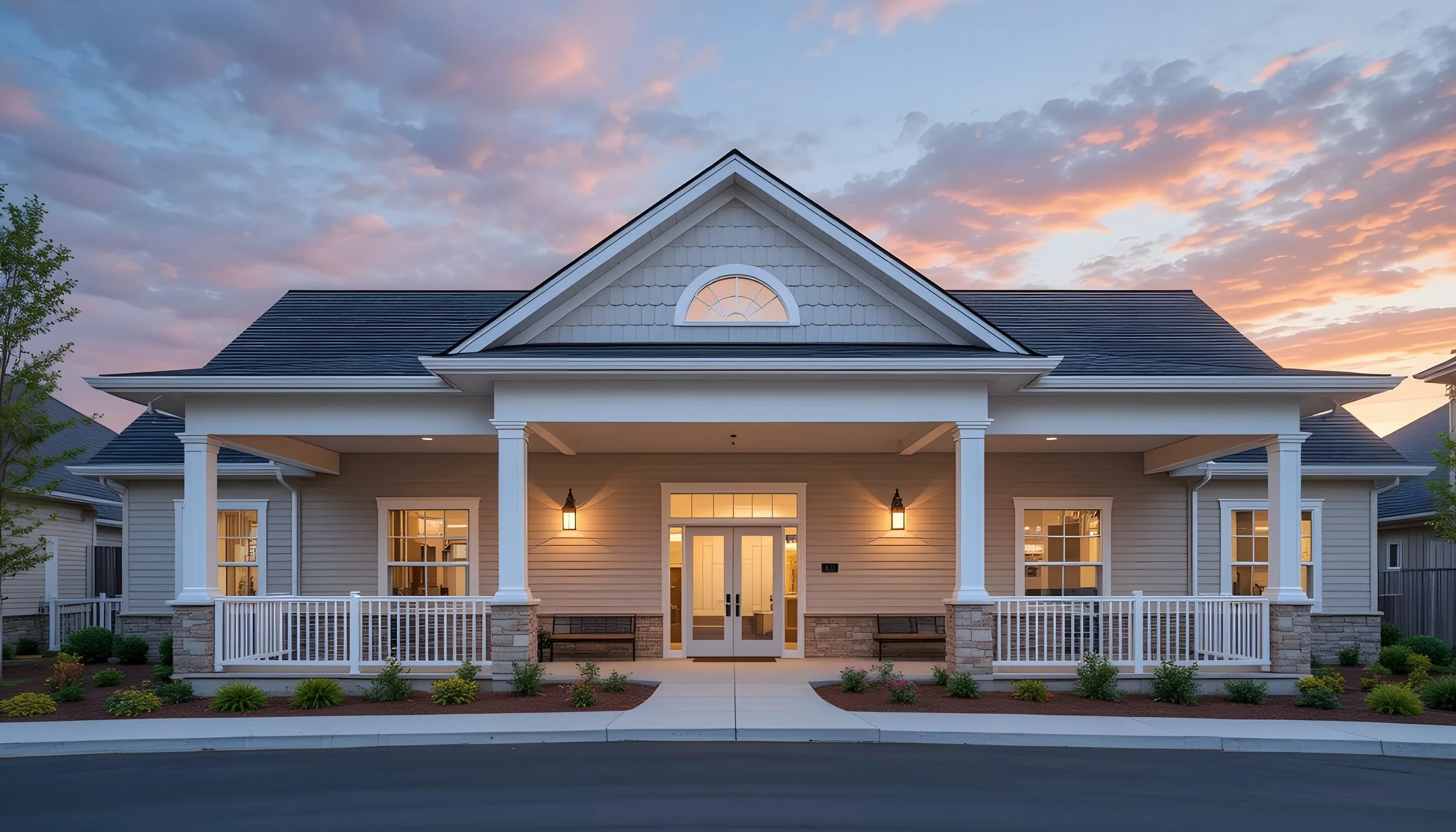
Private golf clubs used to be known for their physical features like the course, the clubhouse, and traditional membership routines. Now, most people join through the website instead of walking in.
The website is now the first place people go if they want to join the club. For current members, it is the main source for events, announcements, governance updates, and daily club information. Today, the website is truly the club's digital front door.
Many clubs still treat their websites like static brochures, and this small disconnect can eventually hurt how well the club works together.
The Challenge of Brochure-Style Websites
Traditional club websites often focus on impressive images, photos of the course, and language that suggests prestige, beauty, and belonging.
If the website is mostly promotional, it does not serve its main purpose as a reliable resource for the club. Members need easy access to information, not just more marketing. Prospective members want to learn about the club's real identity, not just see attractive photos.
A brochure-style website can cause problems like scattered communication, members having to ask staff the same questions, and the public thinking the club's systems do not match its appearance.
Structuring Member Communication
In clubs that are governed in this way, informaIn clubs with this kind of structure, information moves through set channels like board updates, committee notices, event calendars, policy changes, and operations details. The website should be the main place to find all this information.embers, whereas those who are new or potential members receive a clear account of how the club operates. If there were no such structured organisation, knowledge would be spread out over email exchanges, printed notices, and informal networks. This kind of fragmentation leads to reduced operational efficiency and eventually erodes confidence in the continuity of leadership.
Perceptions of Prospective Members
The website's design shapes how people see the club before they ever visit. Clear navigation, organized content, a consistent tone, and visuals all show how well the club is run. A clear, updated website shows the club is self-aware and planning ahead. But if the website is messy or outdated, it suggests the club is not well organized, even if the facilities are impressive.
Today, when people often compare several clubs, many boards overlook how important these website signals are.
Aligning Digital Infrastructure with Governance
The website should not be seen as just a marketing tool. It needs to work as the club's main digital infrastructure, like the clubhouse is for social events and the course is for golf. The website should reflect how the club is really run, not just follow generic templates or trends.
When digital systems accurately show how the club works—like who leads, what committees do, how to join, and how people communicate—the club feels more unified. If not, even the best photos cannot hide the gaps.
Closing Reflection
Clubs work hard to keep the clubhouse entrance, the building, and the course in top shape. The website deserves the same attention.
Club leaders should regularly check that the website is clear, easy to use, and matches the club's identity. This is not just a technical job. Investing in ongoing maintenance, training staff in good digital habits, and listening to member feedback when setting up communication systems helps reduce problems and adds long-term value for members.
Most first impressions and later interactions now happen online, so the website is a key part of the club. By treating it with the same care as the club's architecture, not just making quick fixes, the club can stay prestigious while also modernizing.
Broader Implications
A club's presence comes from its structure, not just its technology. The design of the website, not just how fast new tech is added, decides whether the club's identity grows stronger or weaker over time.
Markus Van Meter is a brand architect who works with private golf clubs, focusing on governance alignment, institutional identity, and the development of long-term institutional architecture.
**For a structured breakdown of how to implement these ideas, see /club-dispatches/paper-11-best-practices-for-private-club-digital-infrastructure